 for
for 
Overview
A successful annual meeting of shareholders relies on accurate, effective and timely communication. It also requires shareholder engagement and support. Incomplete, inconsistent or delayed delivery of proxy materials expose companies to legal, regulatory, and governance risks, including invalid votes, shareholder challenges, reputational damage, and increased scrutiny. A disciplined communications strategy ensures compliance and boosts shareholder confidence and engagement.
What Is the annual meeting of shareholders?
This required annual meeting of shareholders is a core governance event where investors exercise their rights and engage directly with the company. The annual meeting of shareholders (often referred to as the Annual General Meeting or AGM) is a legally required meeting where a company’s shareholders vote on fundamental corporate matters. These typically include the election of directors and the approval of proposals submitted by management or shareholders.
A critical consideration in planning communications is understanding the difference between registered shareholders and beneficial shareholders. Registered shareholders hold shares directly in their own name on the company’s books or through their transfer agent. Beneficial shareholders hold shares through intermediaries such as brokers or banks. Because these groups receive materials through different channels, companies must coordinate closely with transfer agents and intermediaries to ensure all shareholders receive required notices and voting materials.

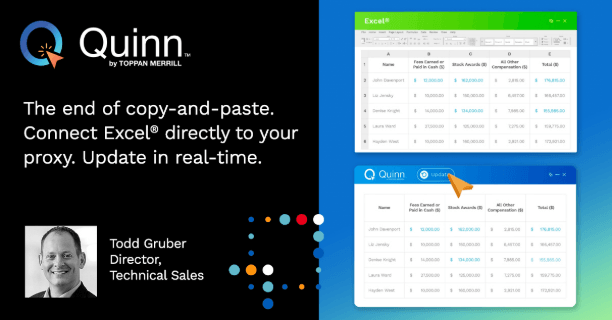
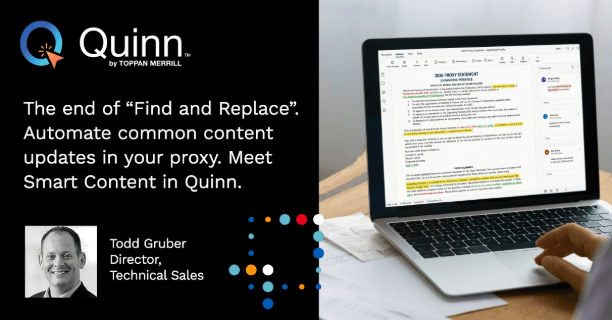
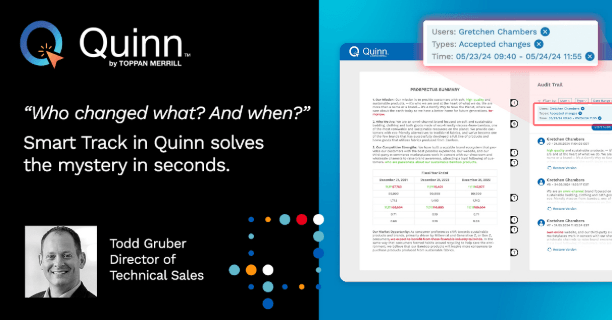
Introducing Quinn, our next generation, SaaS platform for the creation, collaboration, publishing, filing and distribution of complex regulatory disclosure documents.
How much notice is required for a shareholders meeting?
Notice requirements for shareholder meetings typically range from 10 to 60 days, depending on state law and company bylaws. Annual meetings often require longer notice periods (commonly 30–50 days) than special meetings (which may require as little as 10 days), and certain matters may require 21 clear days’ notice. Notices must generally state the date, time, place, and purpose of the meeting, and in many cases may be delivered electronically with shareholder consent.
In practice, companies must align proxy mailing schedules (Notice of Annual Meeting and Proxy Statement) timing with multiple layers of requirements, including:
- State corporate law
- Company by laws and governance documents
- Stock exchange rules and SEC regulations
Shareholder materials must be delivered to both registered and beneficial shareholders using approved methods such as physical mail or electronic delivery or the Notice and Access Model.
Under the Notice and Access Model, rather than mailing a full Proxy Statement and Annual Report to every shareholder, the company sends a concise Notice of Internet Availability of Proxy Materials that will direct the recipient to a website where they can view the shareholder reports.
Required Notice of Annual Meeting and Proxy Statement communications
Within the proxy statement, the information required includes:
- The meeting date, time, and location (or virtual access details)
- A summary of voting matters
- Instructions for accessing full materials online
- Voting methods and deadlines
- Options for requesting physical or electronic copies of materials
How Notice and Access works in practice
A typical Notice and Access workflow includes several coordinated steps and supporting reports:
- The company prepares its proxy materials, including the Proxy Statement and Annual Report which are filed with the SEC.
- The Form 10-K and ARS is finalized and incorporated as required and is also filed with the SEC.
- Shareholders receive the Notice of Internet Availability form which directs the recipient to the appropriate website to view the documents.
- Full proxy materials are posted online and made accessible to shareholders.
- Shareholders review the materials and submit their votes before or during the meeting.
Want to read more to determine if the Notice and Access Model is right for you? Check out our blog Why Notice and Access (N&A) can end up costing more — and yield lower voting results.
Proxy Statement and Annual Report
The Proxy Statement provides shareholders with the information they need to make informed voting decisions. It typically includes descriptions of proposals, corporate governance disclosures, executive and director compensation details, and share ownership information.
The Annual Report must accompany or precede the proxy when directors are elected. This often includes the company’s Form 10-K and ARS that presents financial results in a shareholder-friendly format.
What is a typical agenda for an AGM?
While agendas vary by company, most annual shareholder meetings follow a consistent structure:
- Call to order and quorum confirmation: Establishes that enough shares are represented to conduct official business
- Election of directors: Shareholders vote on director nominees
- Voting on management and shareholder proposals: Common items include auditor ratification, approval of equity compensation plans and advisory say-on-pay votes
- Presentation of company performance (optional): Management may provide a high-level business update
- Shareholder questions: Shareholders are given the opportunity to ask questions
- Adjournment: Formal close of the meeting
Post-Meeting communications and filings
Communication responsibilities continue after the meeting concludes. Companies must file a Form 8-K (Item 5.07) to report voting results, typically within four business days. If equity awards are approved, Section 16 filings may also be required for directors and officers.
Beyond regulatory filings, many companies continue proactive shareholder communications to reinforce transparency and maintain engagement following the meeting.
6 Common AGM mistakes to avoid
Even experienced teams can encounter challenges during proxy season. Common pitfalls include:
- Missing or late delivery of required notices
- Inconsistent messaging across the proxy statement, annual report, and meeting materials (Watch the webinar: Trends in unifying design, content and messaging: proxy, annual report & ESG)
- Poor coordination with intermediaries and service providers
- Overly complex or unclear proxy disclosures
- Underestimating post-meeting filing and reporting requirements
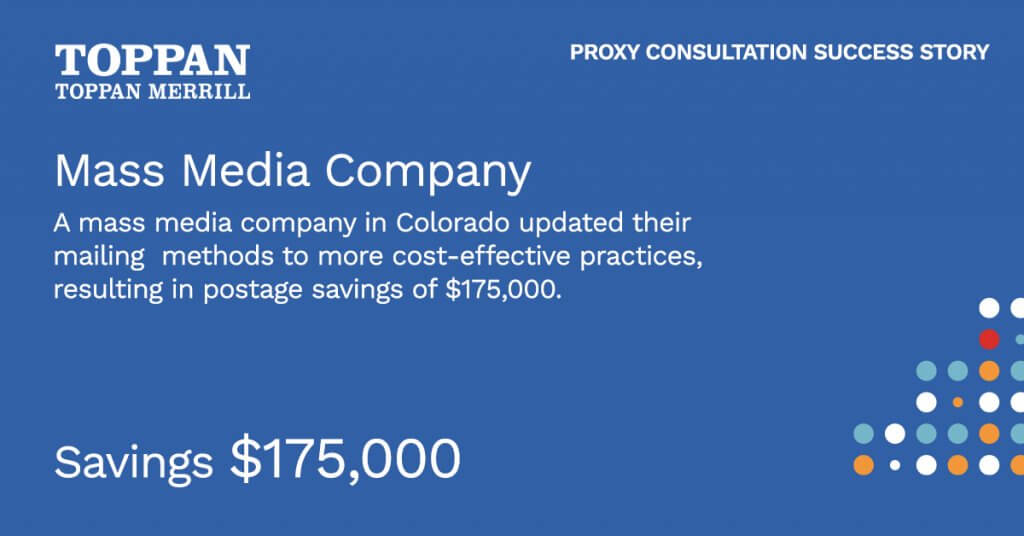
- Exceeding the budget year-over-year (At Toppan Merrill, our goal is to help you create a more successful and cost-effective annual meeting. Get your free consultation.)
How Toppan Merrill can help with annual shareholder meetings
Toppan Merrill partners with public companies to simplify and strengthen annual shareholder meeting communications. Our end-to-end annual meeting services support every stage of the process, helping issuers reduce risk, improve efficiency, and deliver a better shareholder experience.
Our capabilities include:
- Proxy Statement and Annual Report production with accuracy, consistency and speed
- Design and Advisory services structured to improve aesthetics and messaging to improve the issuers’ story
- Notice and Access strategies tailored to issuer goals, costs and shareholder behavior
- Shareholder and intermediary coordination to ensure materials reach all annual meeting shareholders
- Virtual and hybrid meeting support for secure, compliant meeting execution
By modernizing your annual meeting communications with Toppan Merrill, you can reduce risk, improve efficiency and deliver a better shareholder experience. Learn more about our proxy solutions and explore additional insights in our blog on navigating the annual proxy season.